
THE CLEARANCE NOTEBOOK · PRACTICAL GUIDES
Getting ready for a house clearance? Start here.
You don’t need to empty the house before asking someone to clear it. A few useful photos, clear decisions about what stays and an honest picture of the access are a much better starting point.
A clearance might mean a few pieces of furniture, a garage full of forgotten boxes or the contents of a whole home. It can be a straightforward practical job, or something you’re finding difficult to face.
You don’t have to solve everything before making an enquiry. The aim of preparation is simply to help the clearance company understand the work—and help you feel comfortable about what will happen.
01 / BEFORE YOU MOVE ANYTHING
Take photos that show the whole job
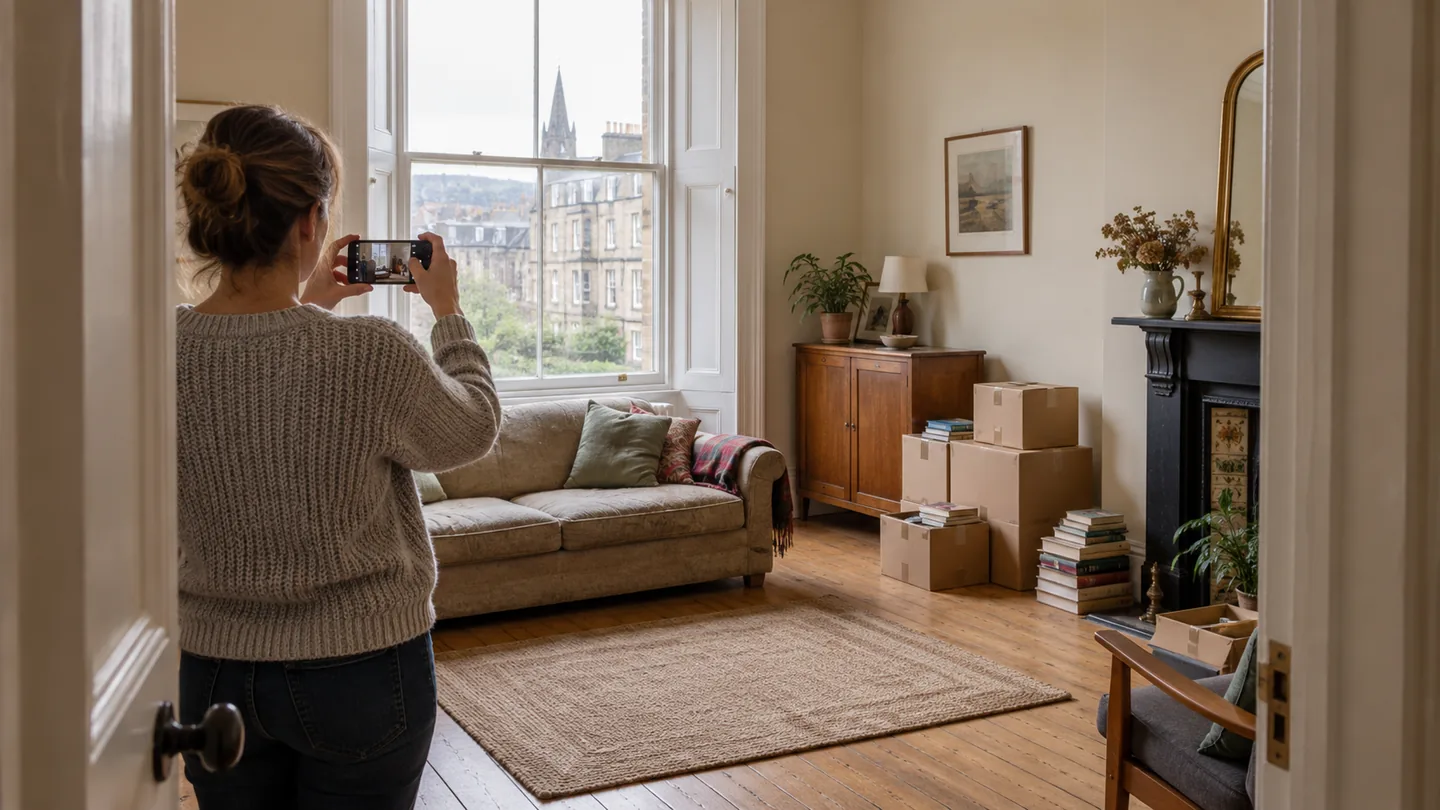
Start with a wide view from the doorway of each room involved. Then add another angle if furniture or boxes hide part of the load. You’re showing how much is there, not proving that the room is tidy.
- Include the garage, shed or other spaces that are part of the job.
- Add a closer photo of anything unusually large, heavy or difficult to identify.
- Say what’s inside cupboards or bags if it isn’t visible. Don’t open anything unsafe.
- Keep bank details, personal paperwork and other private information out of shot.
If a room can’t be reached safely, say so. A description is better than climbing over unstable piles to get a photograph. Photos help with an initial assessment; a visit or further questions may still be needed.
02 / MAKE THE DECISIONS THAT MATTER
Be clear about what’s staying
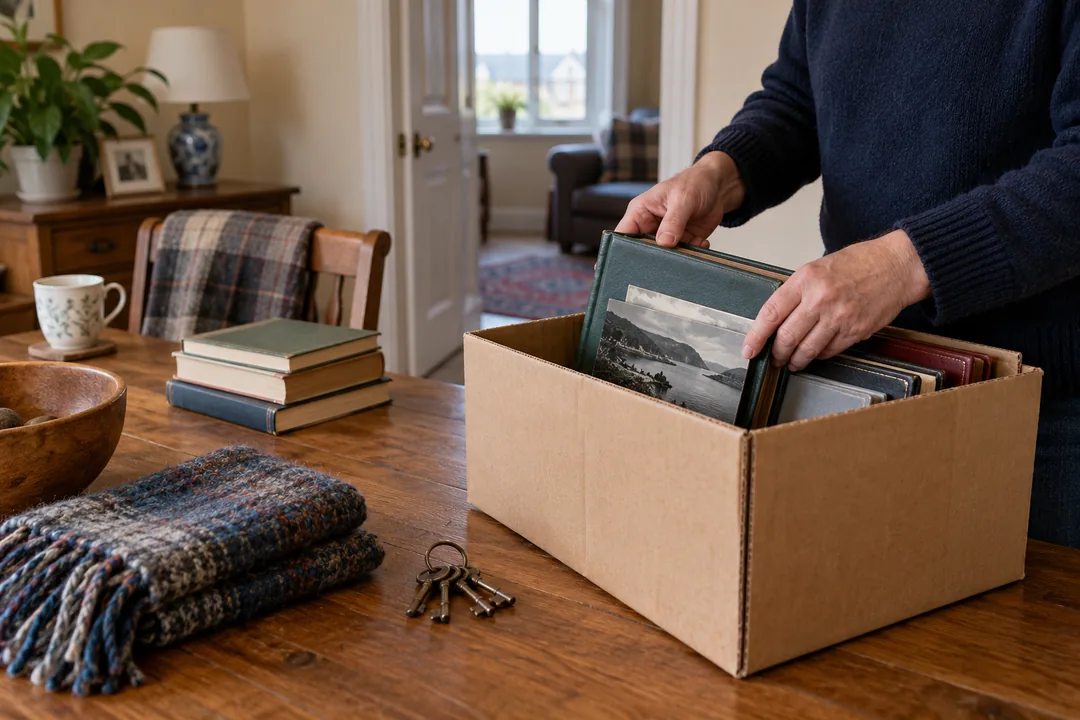
Before collection day, agree which rooms and items are included. Put small keepsakes somewhere separate if you can do that comfortably, and make a written list of larger items that must stay. Tell the team what any labels mean rather than assuming they’ll know.
Check accessible drawers for keys, photographs and important documents. If you’re clearing a relative’s home, leave yourself time for these decisions. Anything you’re uncertain about should stay out of the removal list until you’ve decided.
For usable furniture, ask a reuse organisation what it can accept before arranging a donation. Condition, collection arrangements and acceptance criteria matter. Don’t assume every item can be donated or that it will reduce the clearance price.
03 / NO SURPRISES ON COLLECTION DAY
Mention the items that need a closer look
“General rubbish” can mean very different things. Alongside ordinary furniture and household contents, tell the company about:
- Fridges, freezers, mattresses and upholstered seating.
- Electrical items, batteries and vapes.
- Paint, oils, chemicals, gas cylinders or unidentified containers.
- Rubble, soil, tiles and other dense materials.
- Sharp objects, contamination, pest activity or suspected asbestos.
This is a list of things to declare, not a promise that Massimo accepts them. Some may need separate collection or a specialist route. Ask before mixing them into bags or a skip.
If the job includes a kitchen or bathroom, distinguish loose waste collection from removing fitted units. Agree any dismantling and the arrangements for safe service disconnections in advance. Our property clearance and rip-out page explains how to start that conversation.
04 / THE ROUTE MATTERS TOO
Explain how the team will reach it
A sofa on the ground floor is a different job from the same sofa up several flights of stairs. Send the full postcode and describe the route from the items to a possible loading point.
Mention the floor, stairs, lift, narrow turns, garden gates and any distance from the road. Add a photo of a tight doorway or staircase from a safe position. Explain parking controls or shared access, but don’t block a pavement or reserve a public space with objects.
Move small trip hazards only if it’s safe and easy. Leave heavy items where they are and keep children and pets away from the working area. If access is difficult, the team needs to plan for it—not discover it with furniture halfway through the door.
05 / BEFORE YOU SAY YES
Agree what the quote actually covers
Ask which items, rooms, carrying and loading are included, along with the total price and any VAT. Check whether dismantling, sweeping or cleaning is included rather than assuming an empty room means a cleaned room.
Also agree the proposed date, how access will work and what happens if the load or scope changes. If more items appear after the quote, send an update before collection.
In Scotland, you can check a collector’s authorisation details on SEPA’s waste transporters and brokers register. Read the record details and ask the provider about anything unclear. Ask what collection record or waste documentation you’ll receive.
SAVE THIS FOR LATER
Your before-booking checklist
- Photographs cover every space included.
- The removal list and the keep list are clear.
- Unusual items and hazards have been declared.
- The postcode, stairs and parking are explained.
- The price, scope and proposed date are agreed.
- Questions about authorisation and records are answered.
A few common questions
Do I need to carry everything outside?
Not just to request a quote. Massimo’s rubbish removal service includes carrying and loading of agreed items. Describe where they are so access and the work can be assessed.
Can I book a clearance for just one room?
Yes—Massimo takes enquiries for full and partial house clearances. Specify the room and items rather than describing the whole property as needing cleared.
Would a skip be more suitable?
It may be if suitable waste will build up over several days and you can load it yourself. A loaded clearance may suit items ready to go. Massimo also arranges skip and grab hire through suppliers; availability, materials and access need checking for the postcode.
START WITH WHAT YOU KNOW
A few photos are enough to start the conversation.
Send Massimo Services your postcode, the items to remove, access details and preferred date. We’re based in Glasgow; the service and job location determine availability.
Ask about your clearance